 breast.oncosurgery@gmail.com
 +91 9871413426
 Home
Home Testimonials
 Blogs
Blogs Contact



Best Age for Breast Cancer Screening in India
- Blog
- Best Age for Breast Cancer Screening in India
Breast cancer is one of the most common cancers affecting women in India today. Early detection through regular screening saves lives — it can mean the difference between simple treatment andcomplex surgery, between recovery and complications. Yet, many women and families are unsure about when to start screening, what tests,and which age is most appropriate.
What Is Breast Cancer Screening?
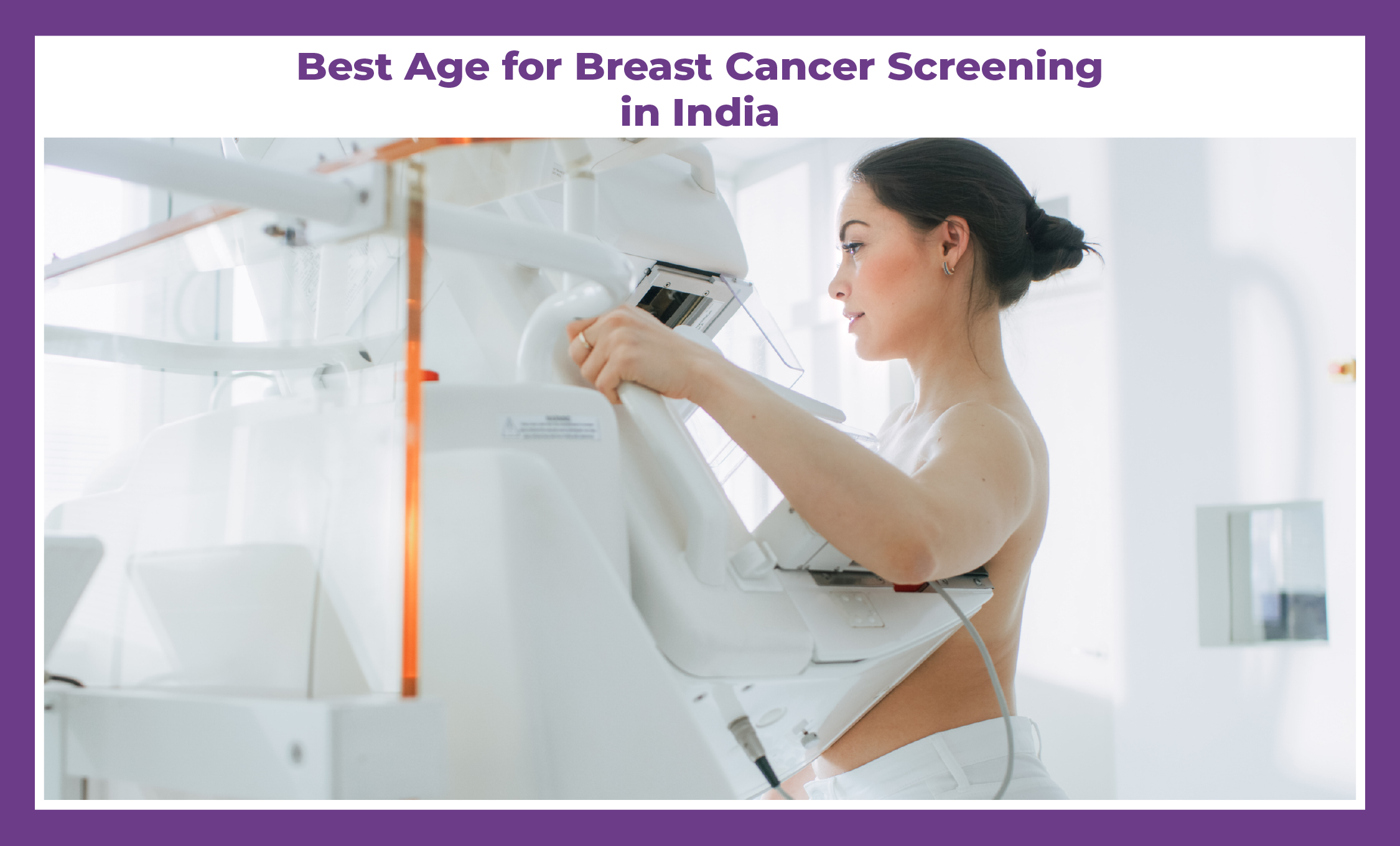
Breast cancer screening means checking for cancer before symptoms appear — usually with imaging tests like mammograms or physical exams like clinical breast examinations (CBE). The goal is to find any abnormality early so treatment is easier, faster, and far more successful.
- Cancer detected early is usually smaller, less aggressive, and more treatable.
- Early diagnosis often means less extensive surgery and reduced need for chemotherapy or radiation.
- Survival rates improve drastically with early monitoring.
Why Breast Cancer Screening Matters in India?
In India today:
- Breast cancer is the most common cancer in women.
- A significant percentage of diagnoses occur at advanced stages with poorer outcomes.
- Trends show breast cancer affecting younger women in Indian populations compared to Western countries.
This unique pattern in India makes it crucial that women and families understand the right time to begin screening.
Who Should Think About Breast Cancer Screening?
Broadly, women can be divided into two groups:
- Women at average risk:These are women who don’t have a strong family history of breast cancer, genetic mutations like BRCA1 or BRCA2, or previous radiation exposure to the chest.
- Women at high risk: This includes women with:
- A close relative (mother, sister, daughter) with breast or ovarian cancer
- Genetic mutations (BRCA1/2, etc.)
- Previous radiation therapy to the chest
- Personal or family history of multiple cancers
- Dense breast tissue
For high-risk women, doctors might suggest earlier or more frequent screenings.
Best Age for Breast Cancer Screening in India
Current Indian Guidelines
According to Indian breast cancer screening guidelines:
- Ages 30–40
- Perform Clinical Breast Examination (CBE) every 1–3 years.
- PracticeSelf-Breast Examination (SBE) monthly.
- Mammography usually not routine unless advised by your doctor
- Ages 40–50
- Annual clinical breast exam.
- A mammogram every 1–2 years may be advised based on clinical judgment.
- Above Age 50
- Mammogram every 2 years (or annually, based on risk and clinical advice).
- Continue clinical and self-exams regularly
This approach balances early detection while accounting for access to resources and clinical evidence.
Why Not Start Earlier (Like at 25 or 30)?
Women younger than 30 are generally at lower risk, and breast tissue tends to be denser — making imaging like mammograms less effective.
However:
- Self-breast awareness should start in the late teens or early 20s.
- Young women should learn to notice changes in breast texture, lumps, nipple discharge, or skin changes — and consult a doctor without delay if anything seems unusual.
Some high-risk women (family history, genetic mutations) may start screening earlier under specialist guidance (e.g., with MRI and mammography combined).
What Are the Main Screening Methods?
- Self-Breast Examination (SBE): Should be done every month, usually 5–7 days after your period if pre-menopausal.
- Clinical Breast Examination (CBE): Performed by a trained healthcare provider (such as a breast cancer doctor).
- Mammography: This is an X-ray of the breast — the most common and effective screening tool for women over 40.
- Ultrasound and MRI:: Often used as add-on tests, especially in high-risk patients or dense breast tissue.
When Should You Start Screening Mammograms in India?
Most Indian specialists recommend:
Start screening mammograms at age 40
- Annual mammograms are ideal until at least age 70.
- After age 70, decisions should be individualized based on overall health, life expectancy, and doctor’s advice.
This is in line with several international expert recommendations and also reflects Indian demographic risk patterns.
What If You Have a Family History?
If you have close relatives with breast or ovarian cancer, or if your family has known genetic mutations:
- Screening often starts earlier than 40 — sometimes by age 30 or even younger.
- Some doctors recommend screening begin 10 years earlier than the youngest relative was diagnosed.
This is best decided with a specialist such as a breast cancer doctor in Delhi or a best breast cancersurgeon in Gurgaon who can assess your family history and risk profile.
How Often Should You Screen After You Start?
Here’s a general guideline:
- Ages 40–49: Mammogram every year
- Ages 50–70: Mammogram every 1–2 years
- After 70: Discuss with your doctor based on health condition
Signs and Symptoms to Watch For — Regardless of Age
Even if you’re not yet at screening age, never ignore symptoms like:
- A lump in the breast or underarm
- Changes in breast shape or skin dimpling
- Unusual nipple discharge
- Persistent pain or discomfort
- Redness or swelling that doesn’t go away
If you notice these — consult a breast cancer doctor in Gurugram or breast cancer doctor in Delhi right away.
How Early Detection Affects Treatment Outcomes?
Early detection through screening can dramatically impact:
- Treatment Options: MLess aggressive treatments may be needed when cancer is caught early.
- Reduced Extent of Surgery: : Early-stage cancers may be treated with lumpectomyrather than radical surgery.
- Better Survival Rates: Finding cancer early significantly improves survival, reduces recurrence risk, and enhances quality of life
That’s why screening isn’t optional — it’s proactive health care.
Screening in India: Reality vs. Recommendations
Although guidelines exist, nationwide formal screening programs are still limited in India. In some cities, you might find outreach camps or free screenings (e.g., in hospitals during awareness months).
Unfortunately, studies show that only a small percentage of women have ever been screened in India, even in the recommended age groups
That’s why individual responsibility, awareness, and regular check-ups are vital.
Choosing the Right Specialist
When planning screening or if you find something suspicious, consult:
- Dr Deepak Jha — an expert in early detection and treatment
- A breast cancer doctor in Gurugram or breast cancer doctor in Delhi
- A best breast cancer surgeon in Gurgaon for surgical planning
- Centers offering comprehensive breast cancer treatment in Delhi
- Specialists experienced with breast cancer surgery in Gurugram
These specialists can tailor screening plans, assess risk, interpret imaging, and guide treatment decisions.
Understanding when to screen is just the first step. What matters most is following through with regular check-ups, consulting experts like Dr Deepak Jha and the best breast cancer doctors and surgeons in your region, and not delaying evaluation when symptoms or concerns arise.
When it comes to breast cancer, time matters — and early detection through proper screening often changes lives.